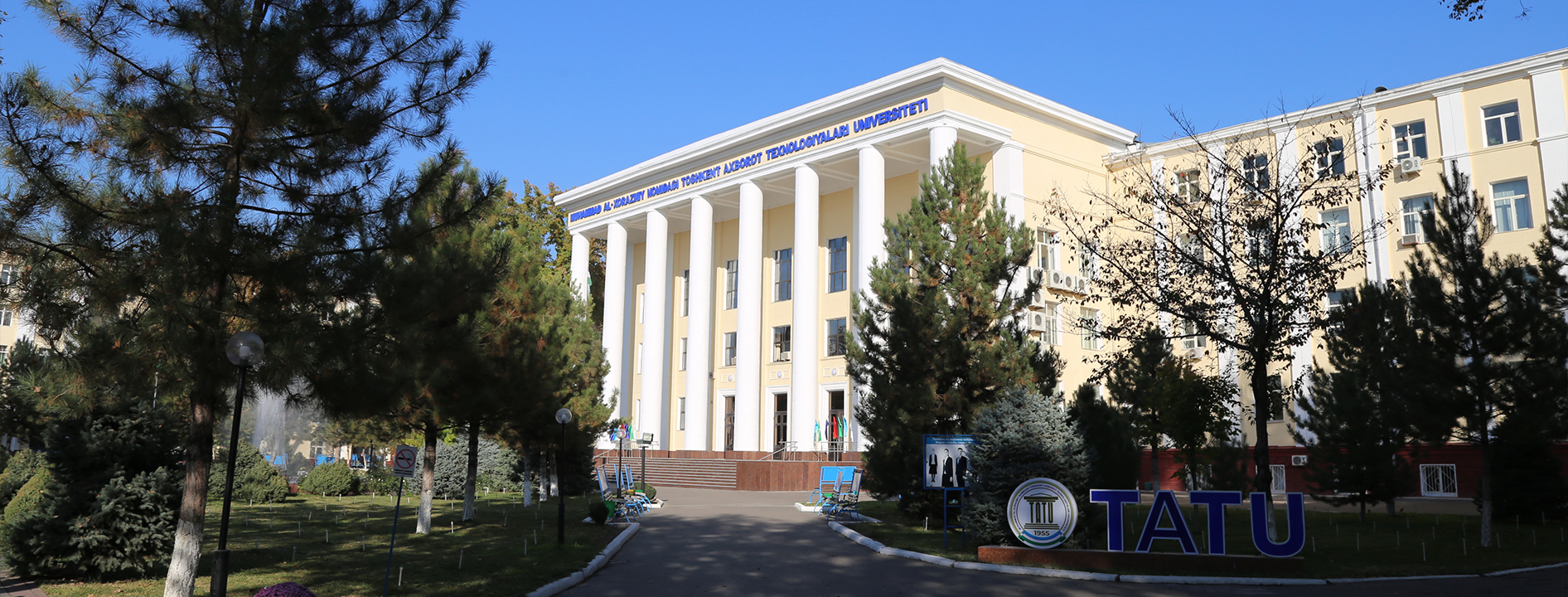
OPTIMA 2026 brings researchers, industry experts, and academics to Tashkent University of Information Technologies to examine next‑generation optical, photonic, and intelligent communication systems — technically co‑sponsored by the IEEE Photonics Society.
The International Conference on Optical Communication, Photonics, Telecommunications, and Intelligent Machine Applications (OPTIMA 2026) provides a premier platform for researchers, academicians, industry experts, and innovators to present recent advances in photonics, artificial intelligence, and next‑generation communication technologies.
The conference focuses on theoretical developments, experimental research, industrial applications, and emerging trends in optical communication systems, photonic devices, and AI‑driven communication frameworks. Researchers, academics, and industry professionals are invited to explore the latest advancements in these fields.
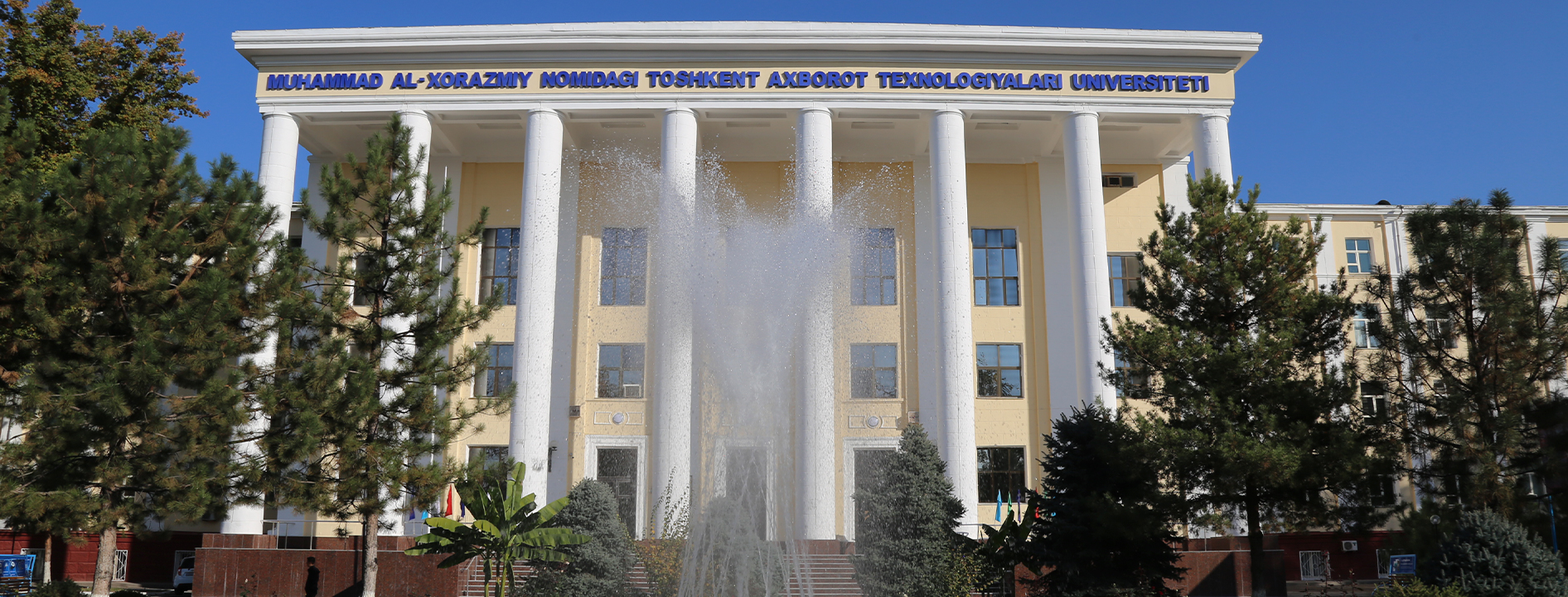
From fiber to free space, from silicon photonics to cognitive radio — OPTIMA 2026 covers the full spectrum of optical and intelligent communication research.
High‑speed optical transmission, fiber‑optic systems, optical amplifiers, emerging network architectures and software‑defined optical networks.
Advancements in lasers, sensors, photonic integrated circuits (PICs), silicon photonics, quantum photonics, and next‑gen optical devices.
5G/6G networks, mmWave, terahertz communication, satellite communications, massive MIMO, and beamforming.
AI‑driven network optimization, deep learning for signal processing, federated learning, self‑optimizing networks, cognitive radio.
Edge computing, industrial IoT, smart cities, AI‑powered IoT applications, sensor networks, autonomous systems.
Quantum communication, cryptography, and computing paradigms; nanophotonics, quantum networking, quantum key distribution (QKD).
All manuscripts are submitted electronically through the official OPTIMA 2026 submission portal on Microsoft CMT. At least one author must register on the portal to upload the submission.
15 AUG 2026 → 31 AUG 2026 — HARD DEADLINE, NO FURTHER EXTENSION
All accepted papers, oral or poster presented at the conference, will be submitted for inclusion in the IEEE Xplore Digital Library (Scopus and Web of Science indexation), subject to meeting IEEE Xplore's scope and quality requirements. IEEE Quality Control of Conference Proceedings may lead to delays in posting the proceedings, or may result in some papers not being published if they do not meet IEEE quality criteria. "No‑show" papers will not be included in the IEEE Xplore Digital Library.
Each paper is reviewed by at least two independent experts of the Technical Program Committee on the following scale.
| Score | Meaning | Recommendation |
|---|---|---|
| +2 | Strong accept — significant contribution | Accept |
| +1 | Accept — good quality and relevant | Accept |
| 0 | Borderline — requires improvement | Major revision |
| −1 | Reject — lacks clarity or contribution | Reject |
| −2 | Strong reject — out of scope / poor work | Reject |
Key evaluation criteria
Final acceptance decisions are made by the Technical Program Chairs, based on reviewer feedback and recommendations.
Title, keywords, abstract, and author affiliations.
A concise, objective summary of the problem, methodology, key findings, and contributions.
Background, motivation, research objectives, hypothesis (if applicable), and related work overview.
Discussion of existing research relevant to the topic and identification of research gaps.
Methodology, experimental setup, algorithms, models, datasets, and evaluation procedures sufficient for reproducibility.
Analysis of results, comparison with existing approaches, limitations, and possible future work.
Summary of contributions, conclusions drawn from results, and significance of the work.
Optional.
All cited references must be included and written in English.
Papers should clearly articulate technical depth, quantitative analysis, and practical relevance — answering how and why the work represents a significant advancement.
Original research with complete technical methodology, experimental validation, results, and novel scientific contributions.
Purely qualitative papers — case studies, managerial impact without a technical basis, policy discussions, or economic models.
Review papers are not accepted through the regular Call for Papers. Only 1–2 invited review papers may be accepted, and only from distinguished keynote or plenary speakers.
All updates are shared via email — please check your inbox, junk, and spam folders regularly.
Deadline extended to 31 August 2026. Hard deadline — no further extension. Full paper submissions open via Microsoft CMT.
Decisions issued to all corresponding authors.
Final formatted manuscripts due for IEEE Xplore.
Discounted registration window closes.
Last date for author and attendee registration.
Plenary sessions, invited talks and panel discussions in Tashkent.
All fees are subject to 12% VAT. The first author is responsible for selecting the correct payment category based on institutional affiliation, IEEE membership status, and country of residence.
| Category | Standard Fee | IEEE Members |
|---|---|---|
| Participants from Uzbekistan | 1,800,000 UZS | 1,440,000 UZS |
| Participants from other countries | $200 | $150 |
| Participants from TUIT | 1,200,000 UZS | 960,000 UZS |
Complete the online registration form with your details.
Process payment via credit card or bank transfer.
Rename your proof of payment as PaperID_date_of_payment and email it to interdep@tuit.uz, with a CC to danishather@gmail.com.
Receive registration details via email.
Pay the UZS amount shown in the fee table. Please include your paper ID in the transfer note and email the receipt as described in Step 03.
Transfer the USD amount shown in the fee table. Bank charges are borne by the sender; please email the transfer confirmation as described in Step 03.
Registration category must be selected based on the first author's affiliation country, IEEE membership, and academic / professional status. Authors registering under the Low / Middle‑Income Country category must receive prior approval from the Conference Chair.
Only papers that are accepted and presented by registered authors will be included in the conference proceedings. Registration does not ensure publication — the technical committee reserves the right to accept or reject any paper during its final quality assessment. No refund will be issued if a paper is rejected for any reason.
For authors from Uzbekistan, in‑person (offline) presentation is mandatory. International authors are also expected to present in person; online presentation may be permitted in special cases, with prior approval of the Conference Chair. No‑show papers will not be considered for publication.
A special discount is offered to student authors listed as the first author. To claim the discount, authors must provide valid proof of student status (student ID or official institutional letter). The discount applies only once per paper.
All registration fees are non‑refundable, except in cases where the conference itself is cancelled. Authors are responsible for ensuring proper registration and timely fee payment to confirm participation and paper eligibility.
OPTIMA 2026 is governed jointly by the IEEE Photonics Society and Tashkent University of Information Technologies (TUIT), with an international Technical Program Committee overseeing double‑blind peer review.
LOCAL VENUE CONTACT DETAILS
Block E, TUIT Incubation Center
Tashkent University of Information Technologies named after Muhammad al‑Khwarizmi (TUIT)
108A, Amir Temur Street, Yunusabad District, Tashkent 100084, Uzbekistan
Estimated attendance: 700 · Format: Hybrid (in‑person & virtual)
The conference will be hosted in TUIT's main auditorium, lecture halls and industry‑partner laboratories. Click any photo to view it full size.
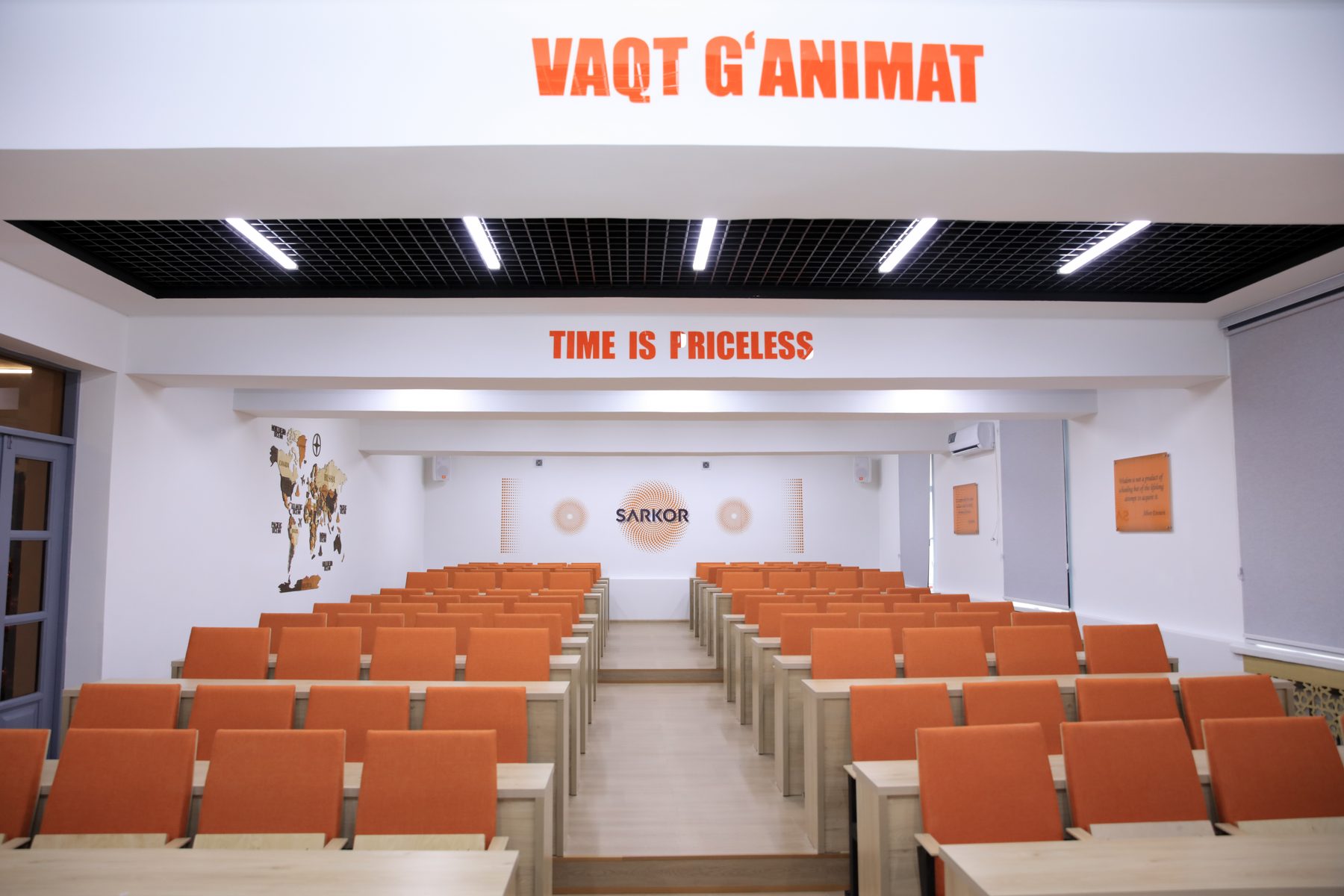 Main auditorium
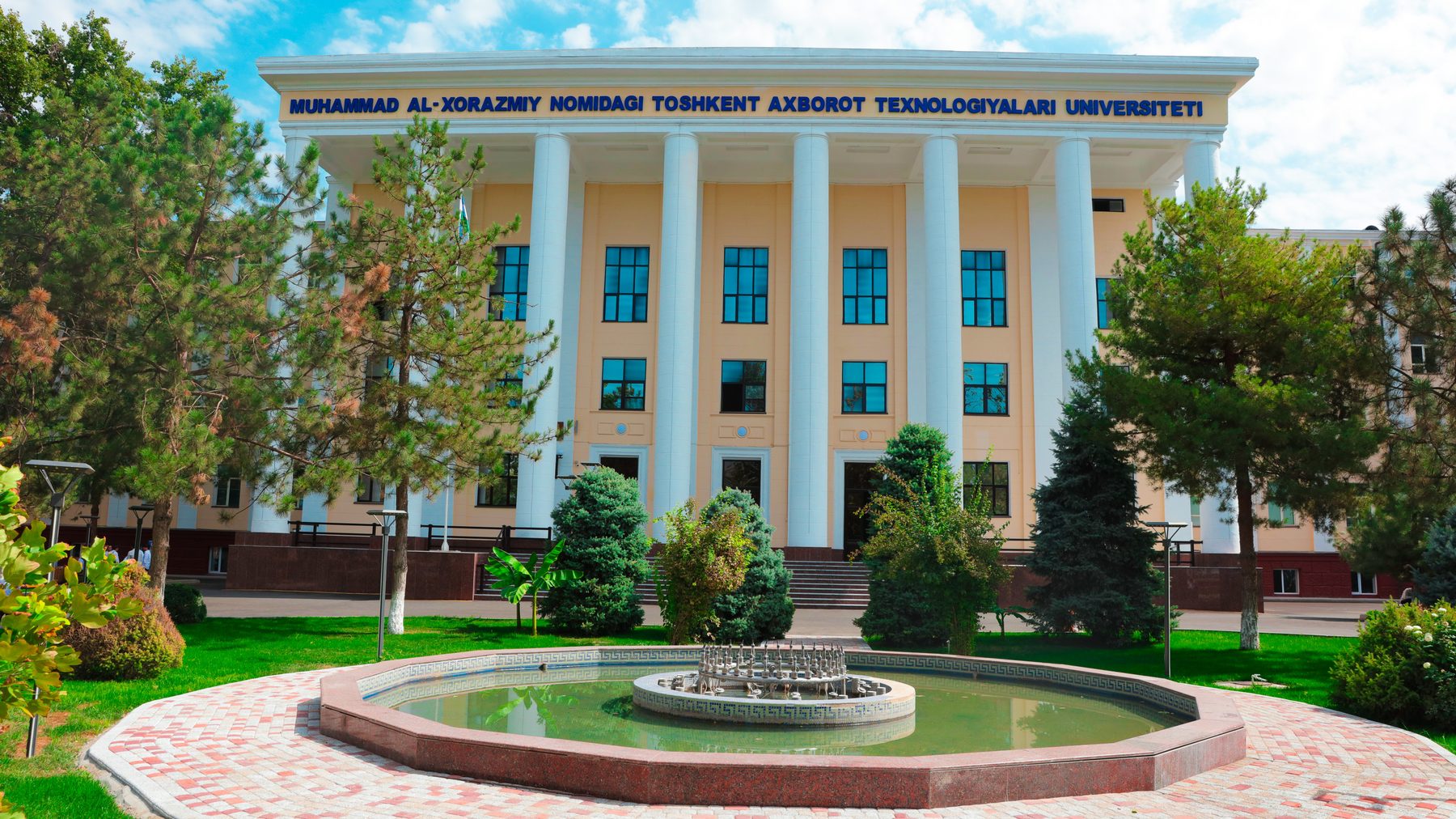 Main building & fountain
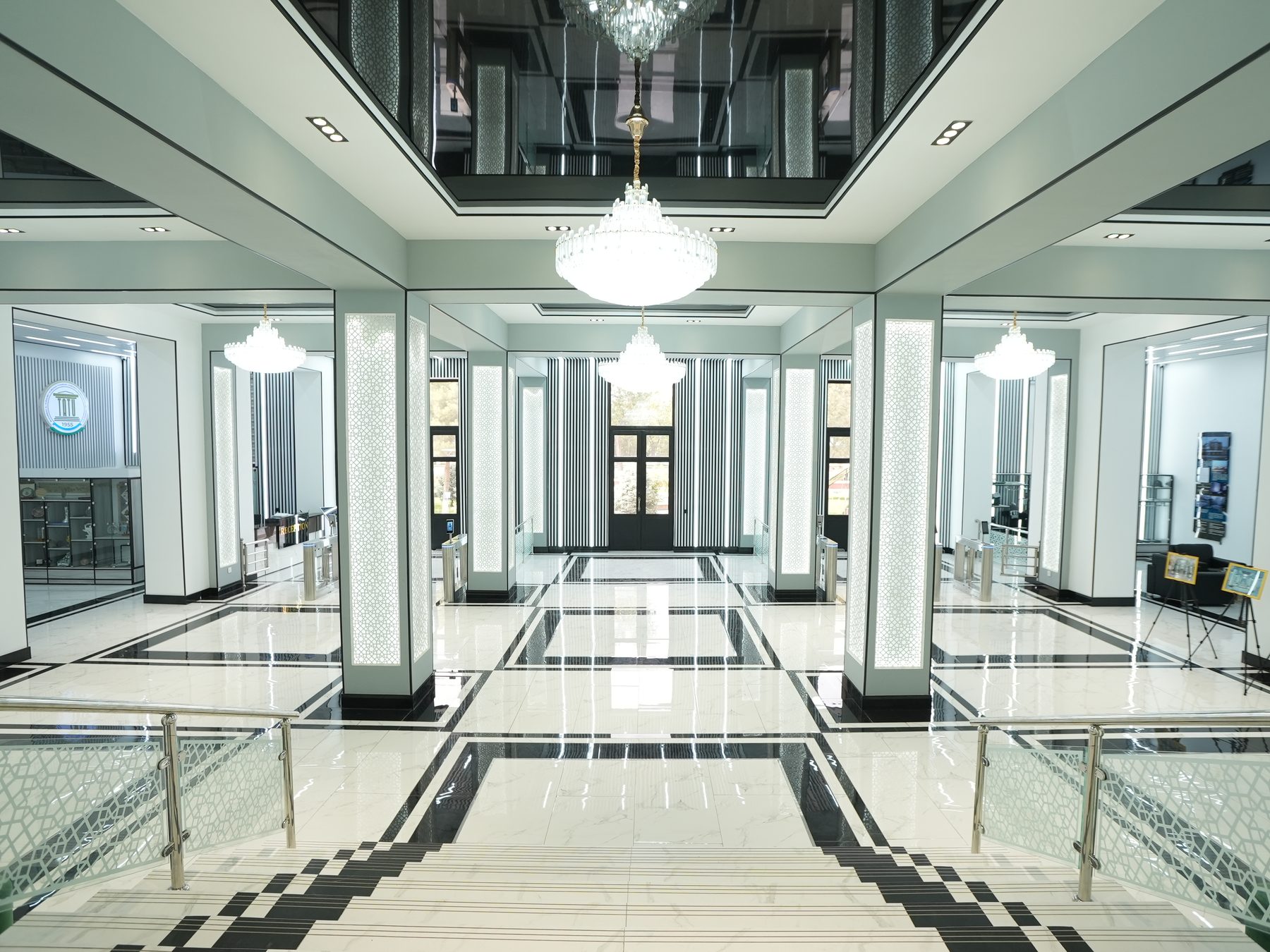 Main lobby
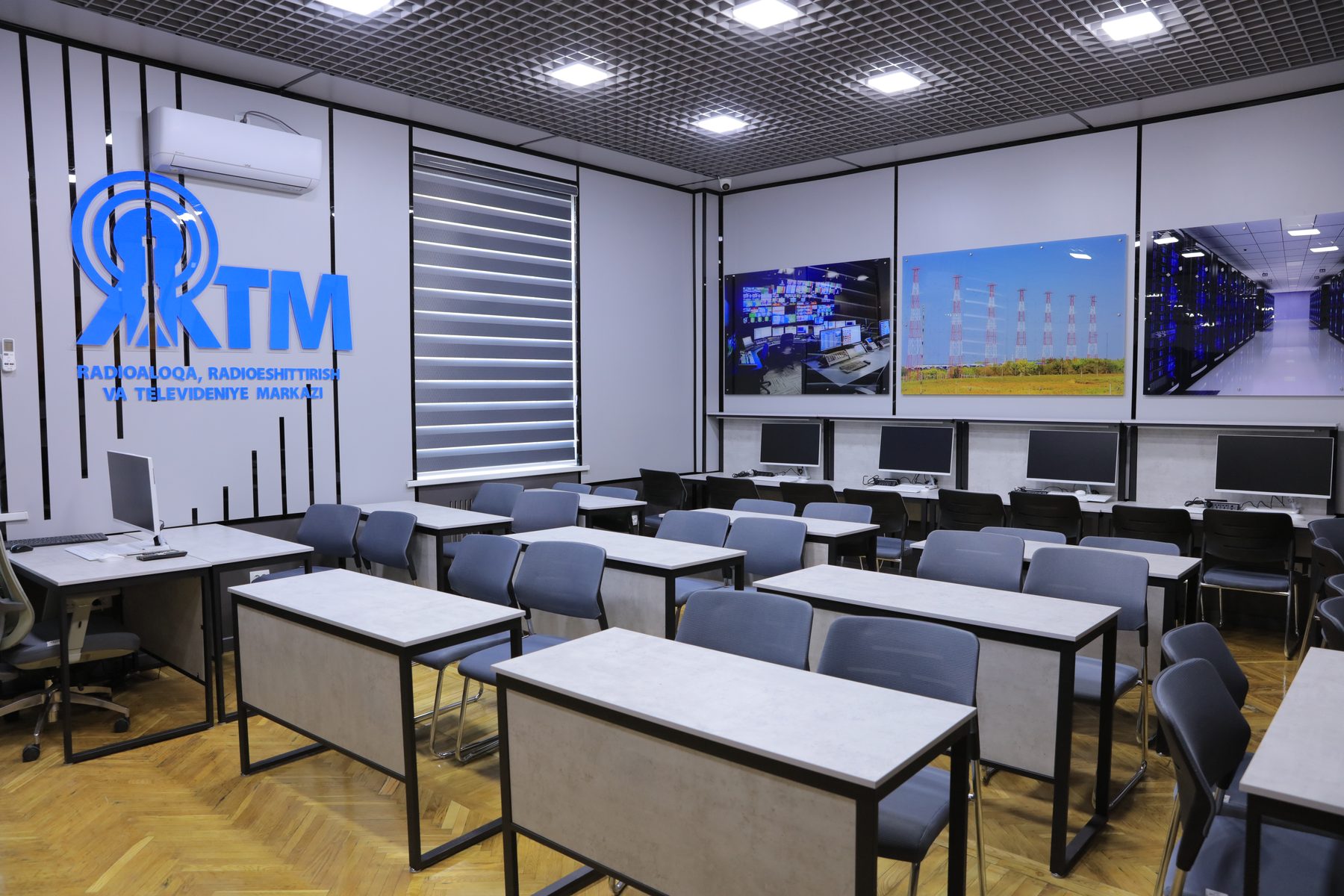 Radio & TV engineering lab
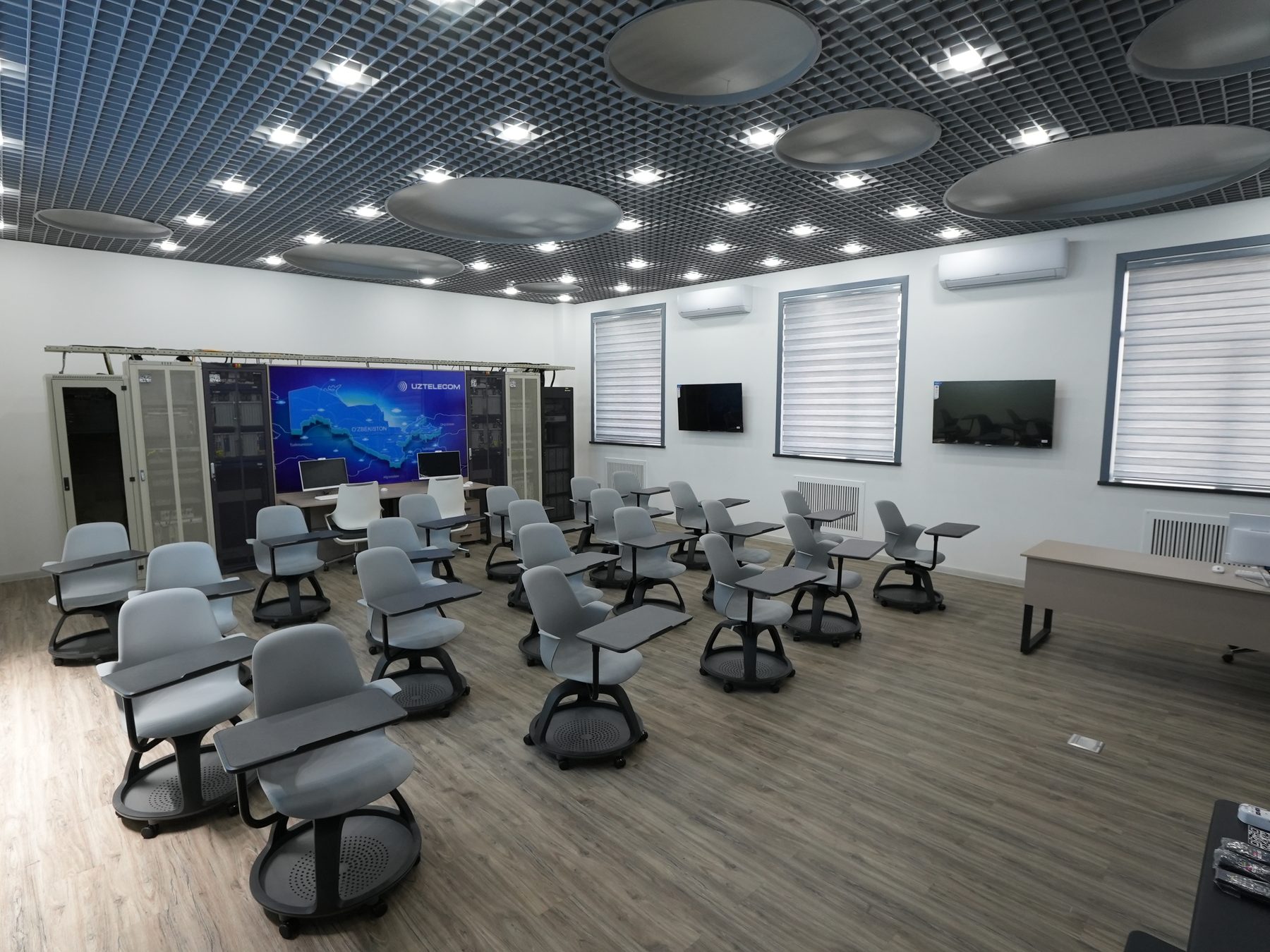 Smart classroom
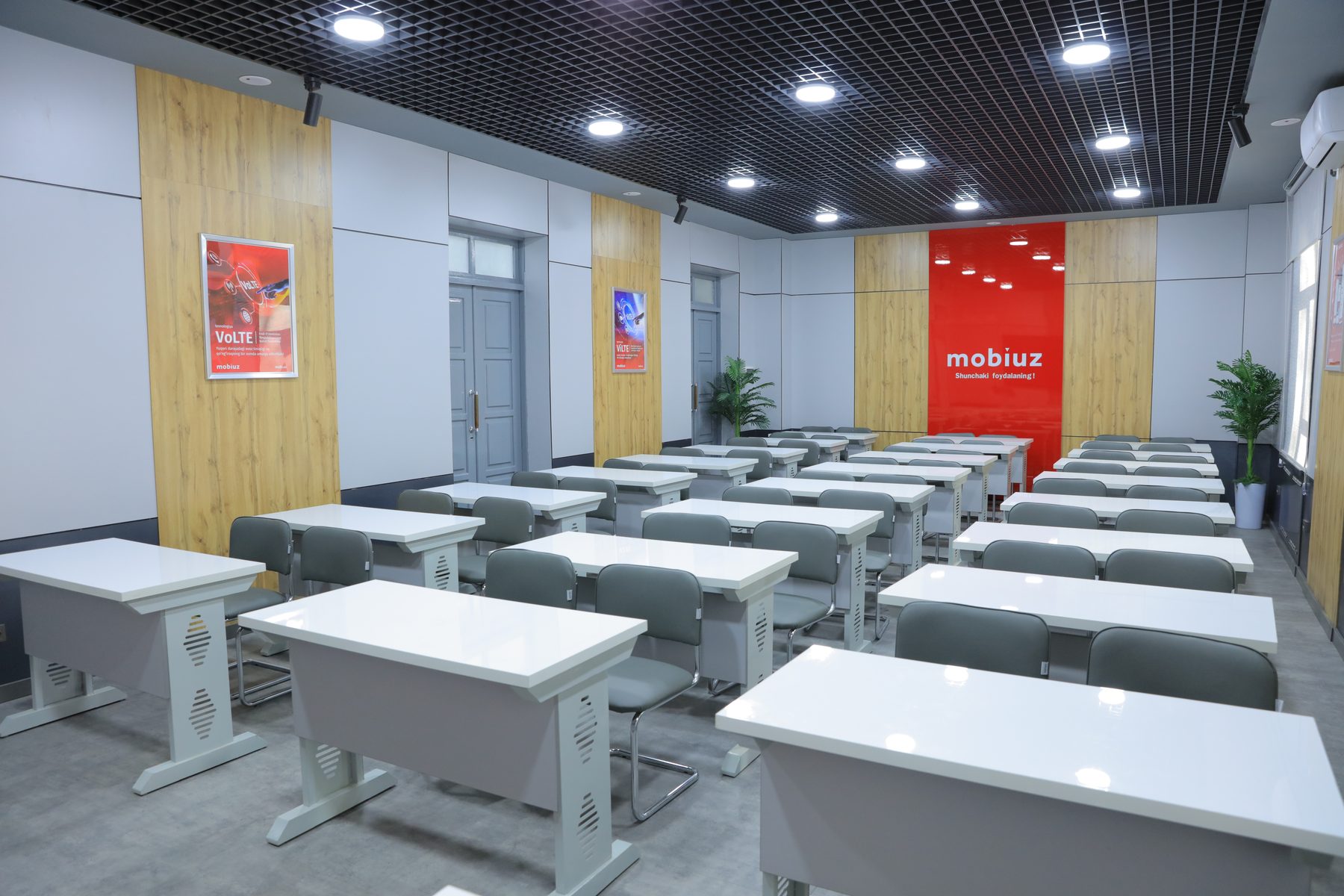 Lecture hall
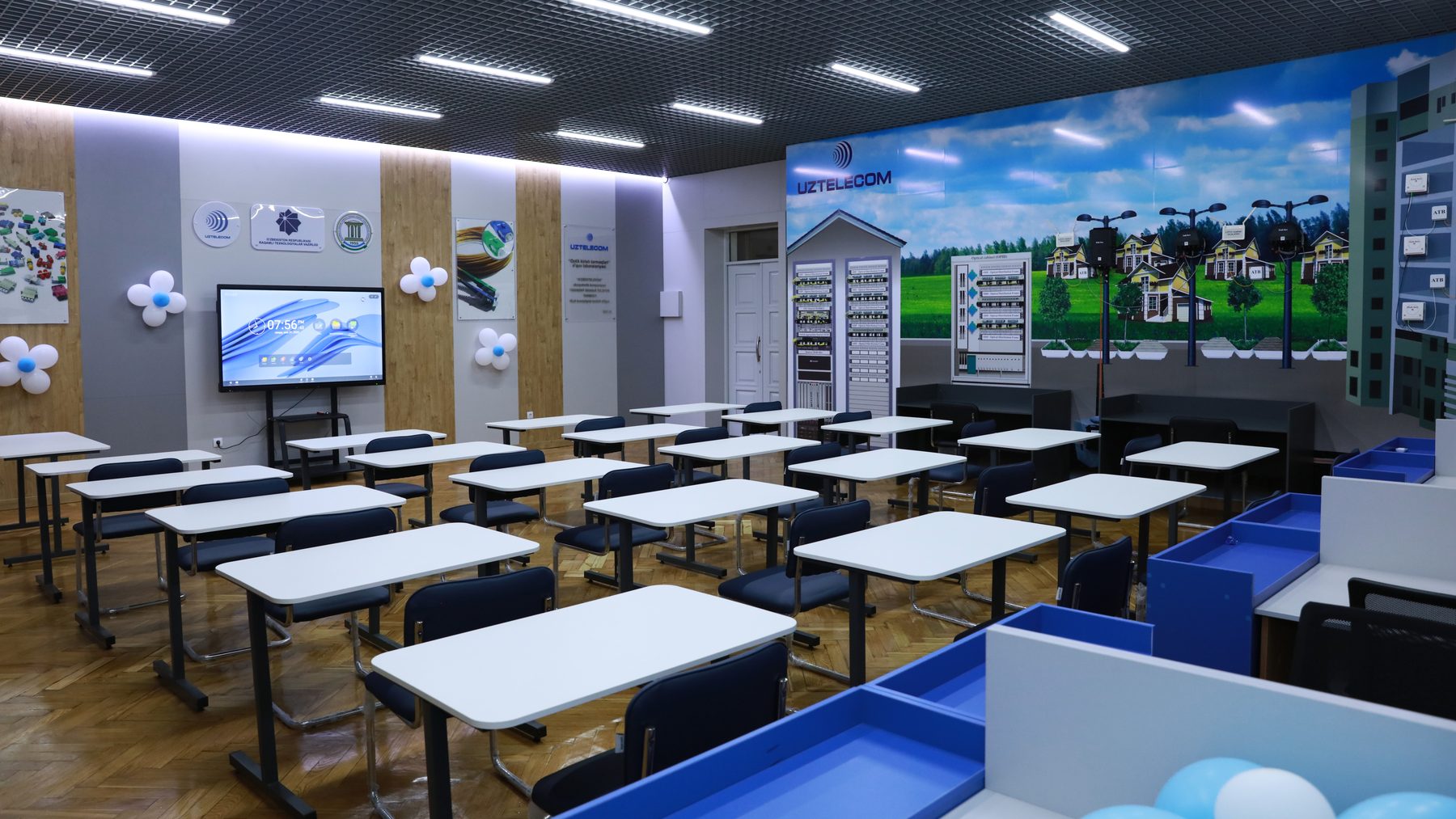 Uztelecom innovation lab
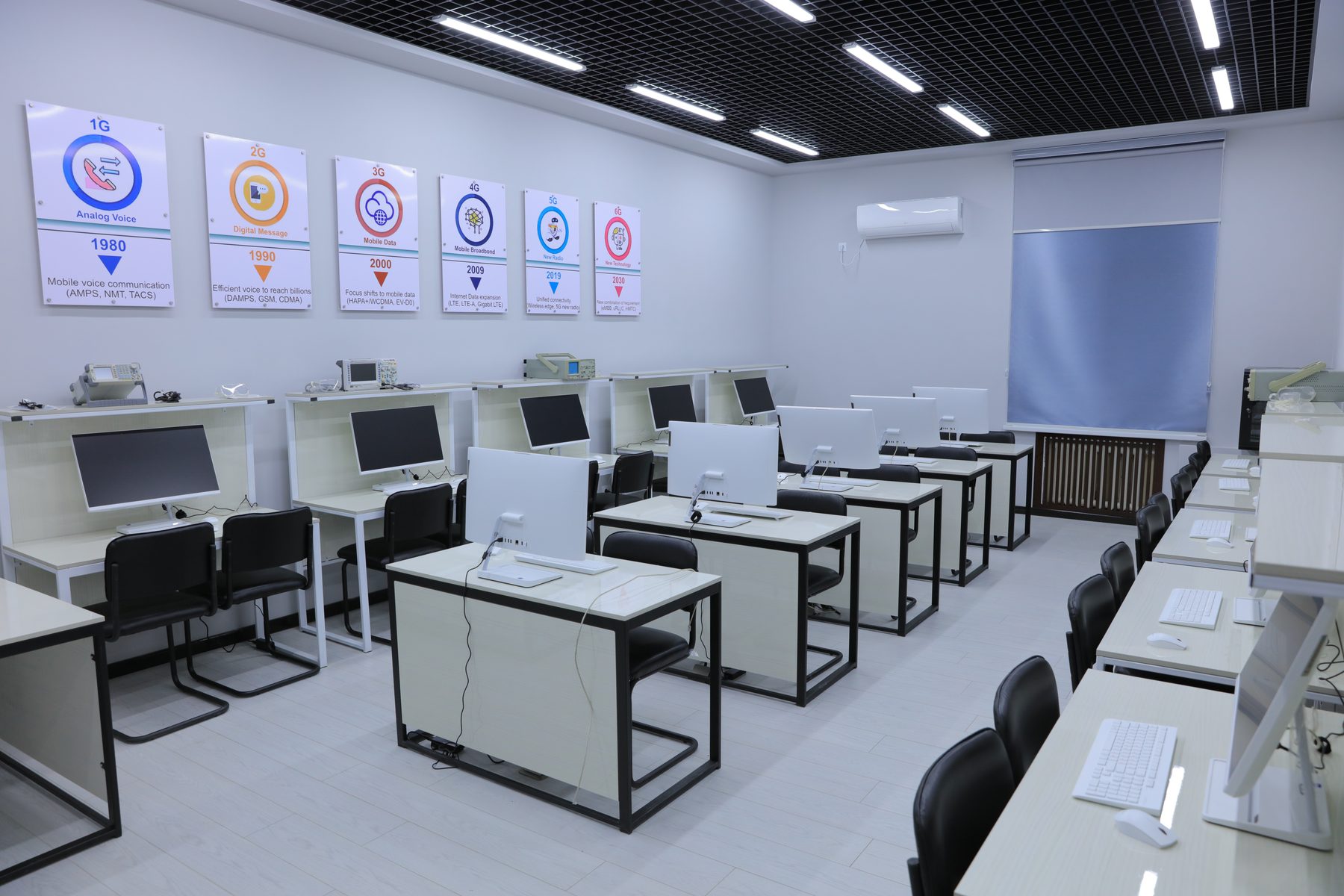 Computer laboratory
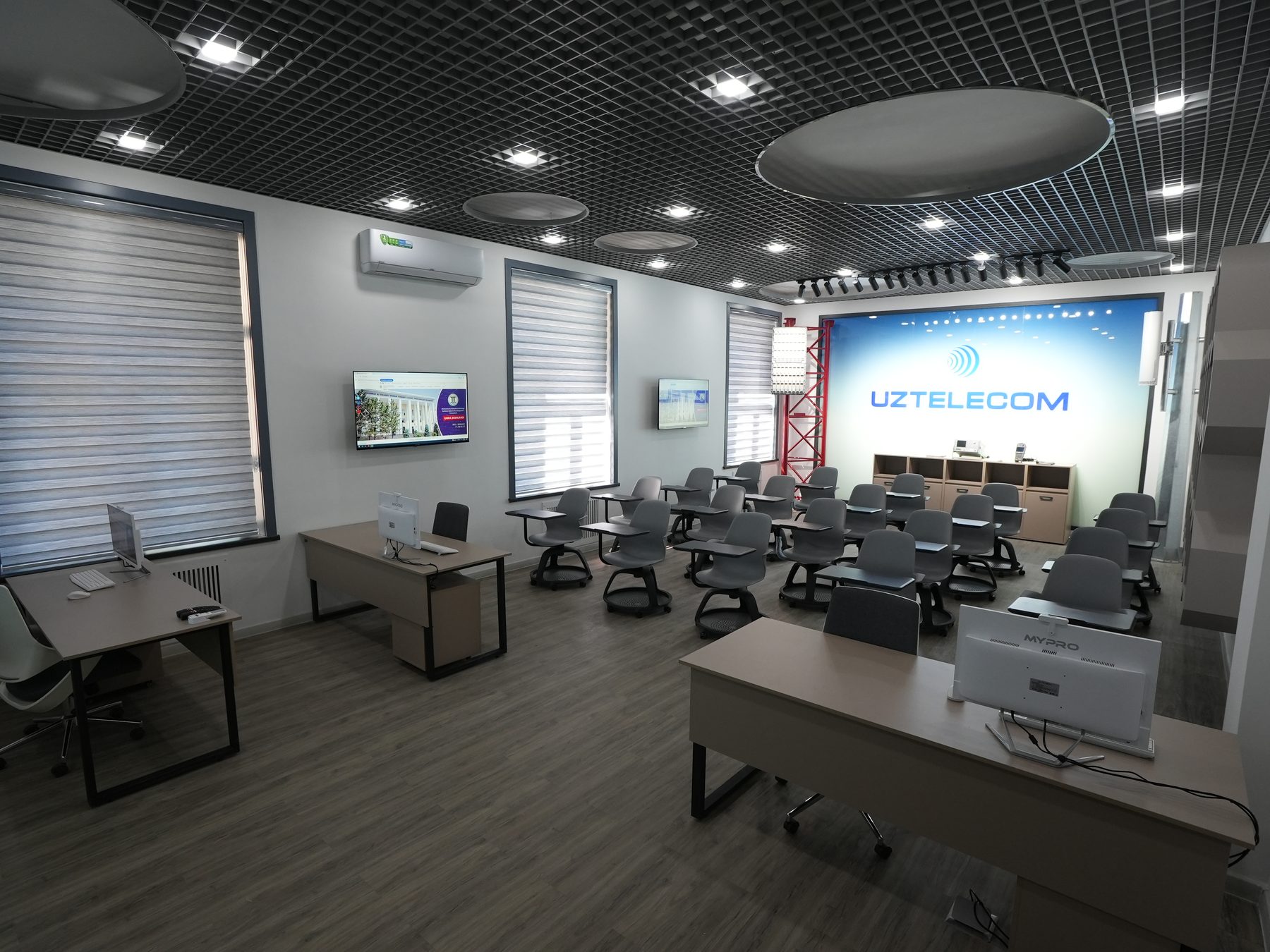 Smart classroom
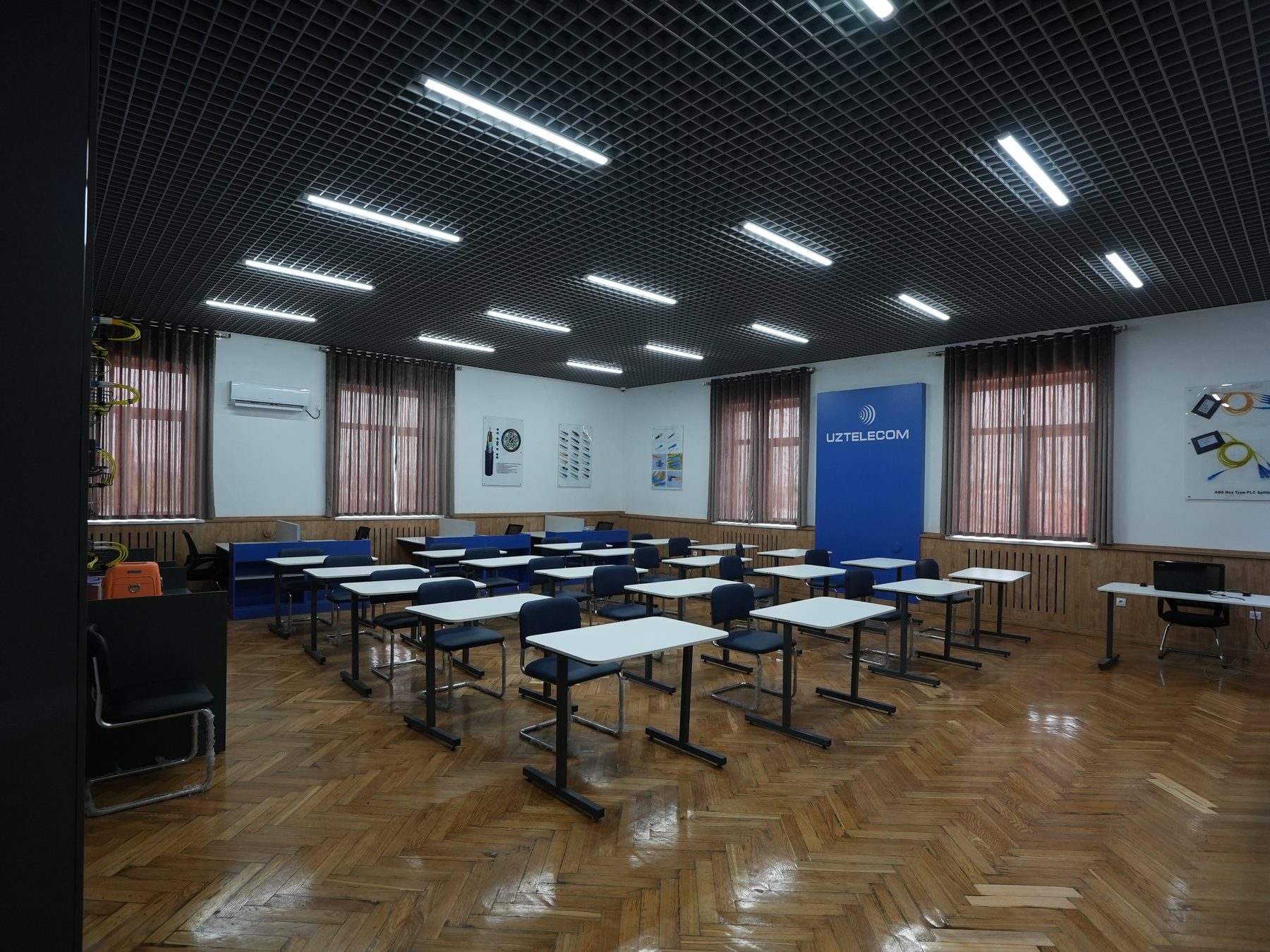 Lecture hall
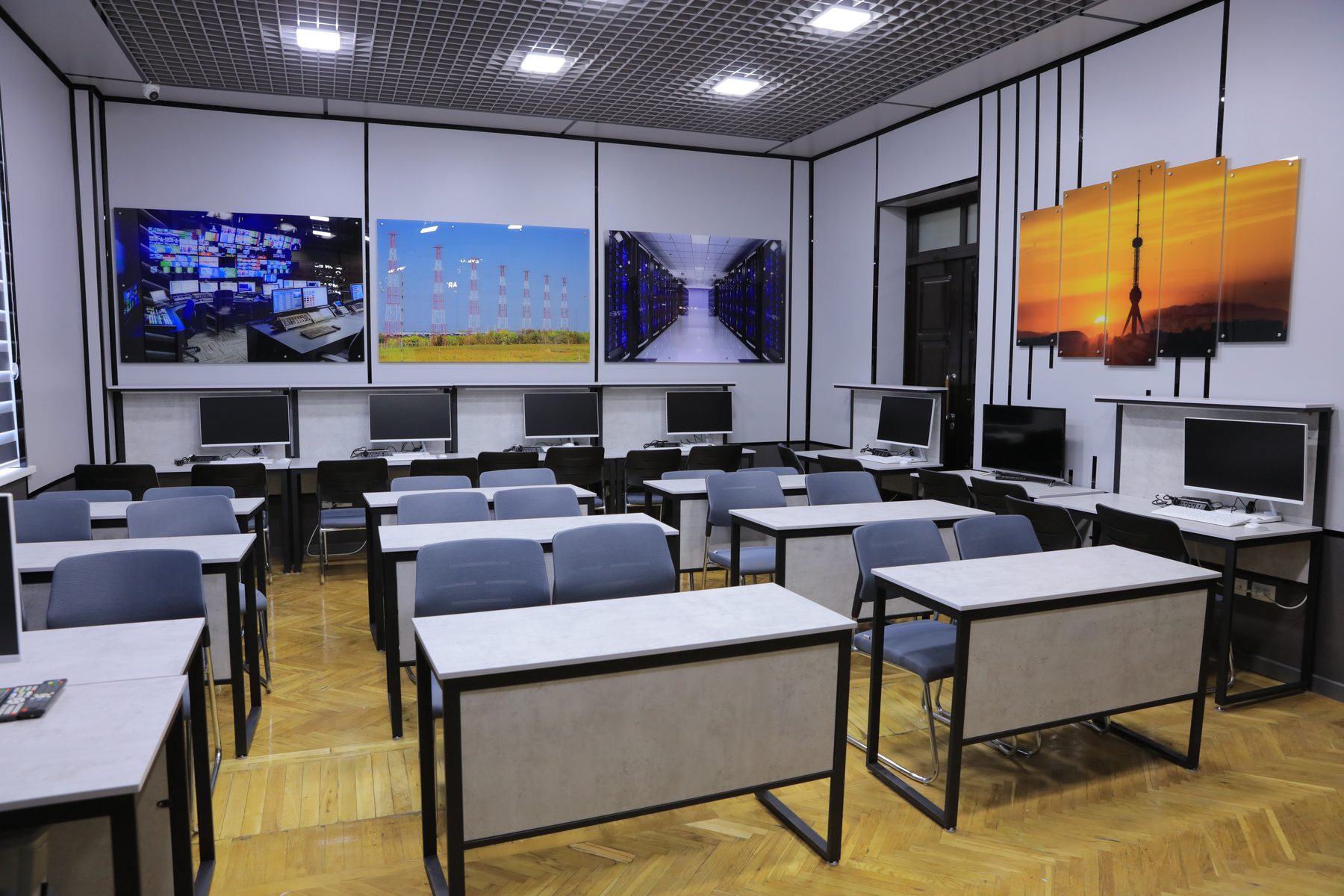 Radio & TV engineering lab
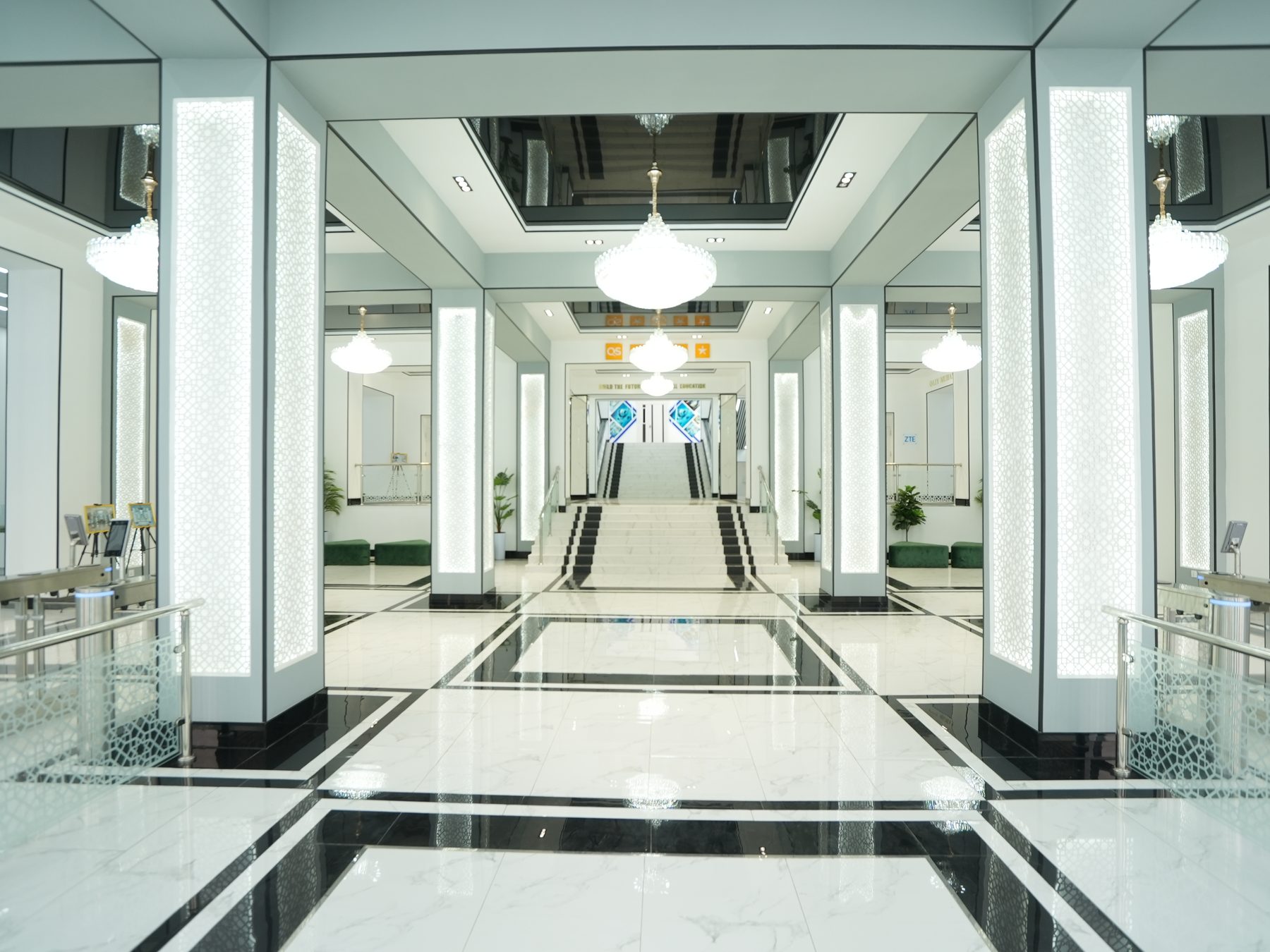 Lobby staircase
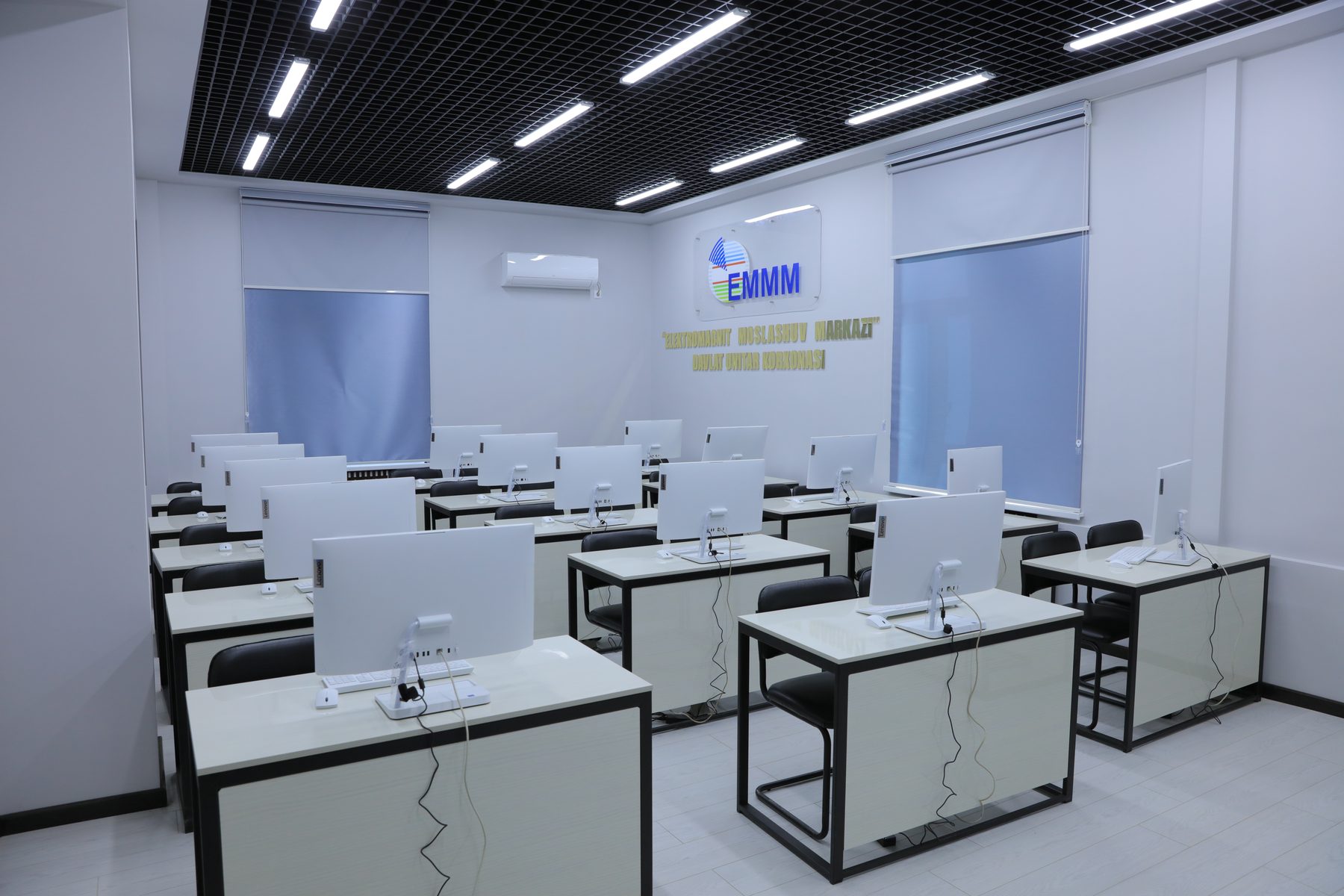 Computer laboratory
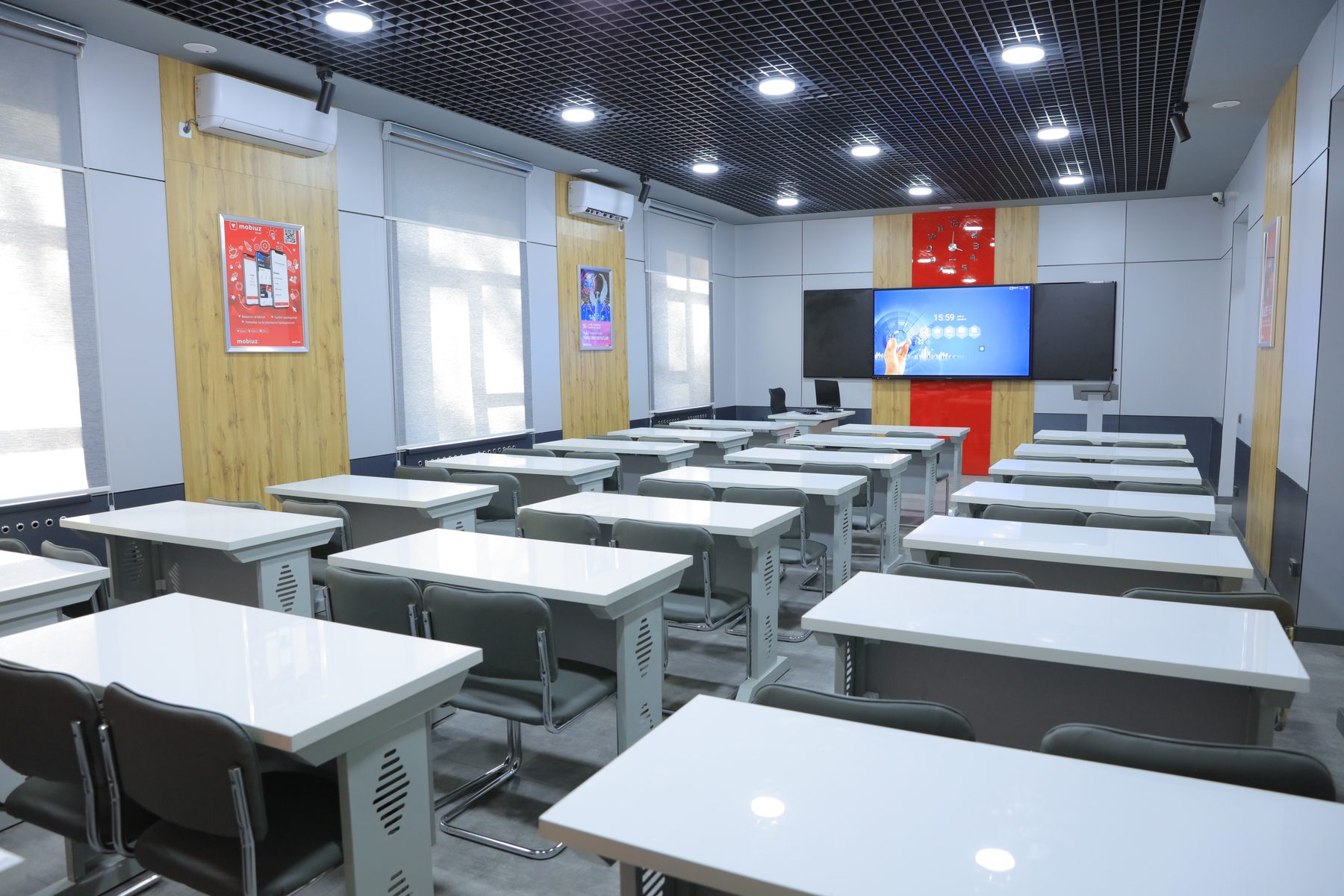 Lecture room
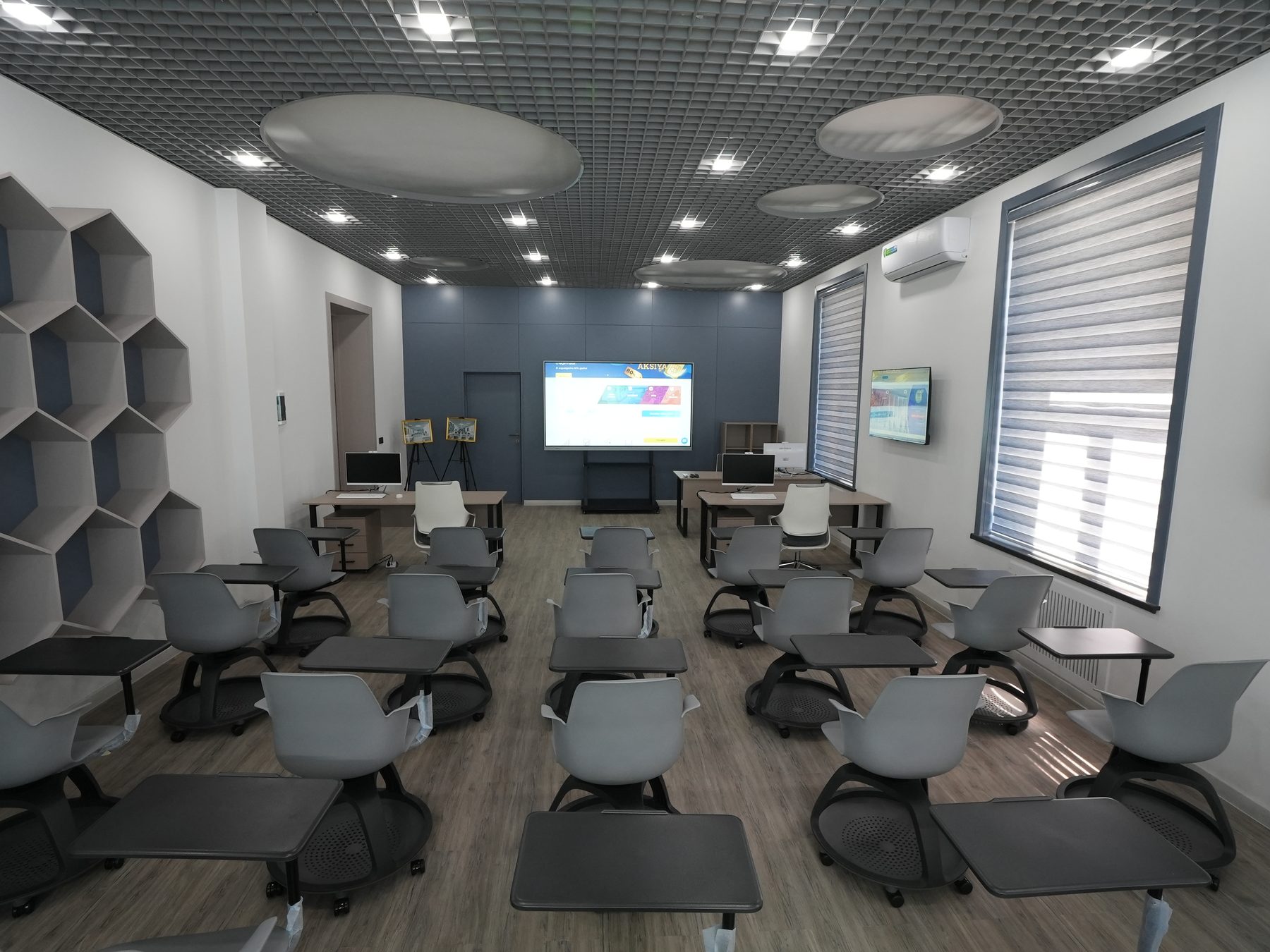 Smart classroom
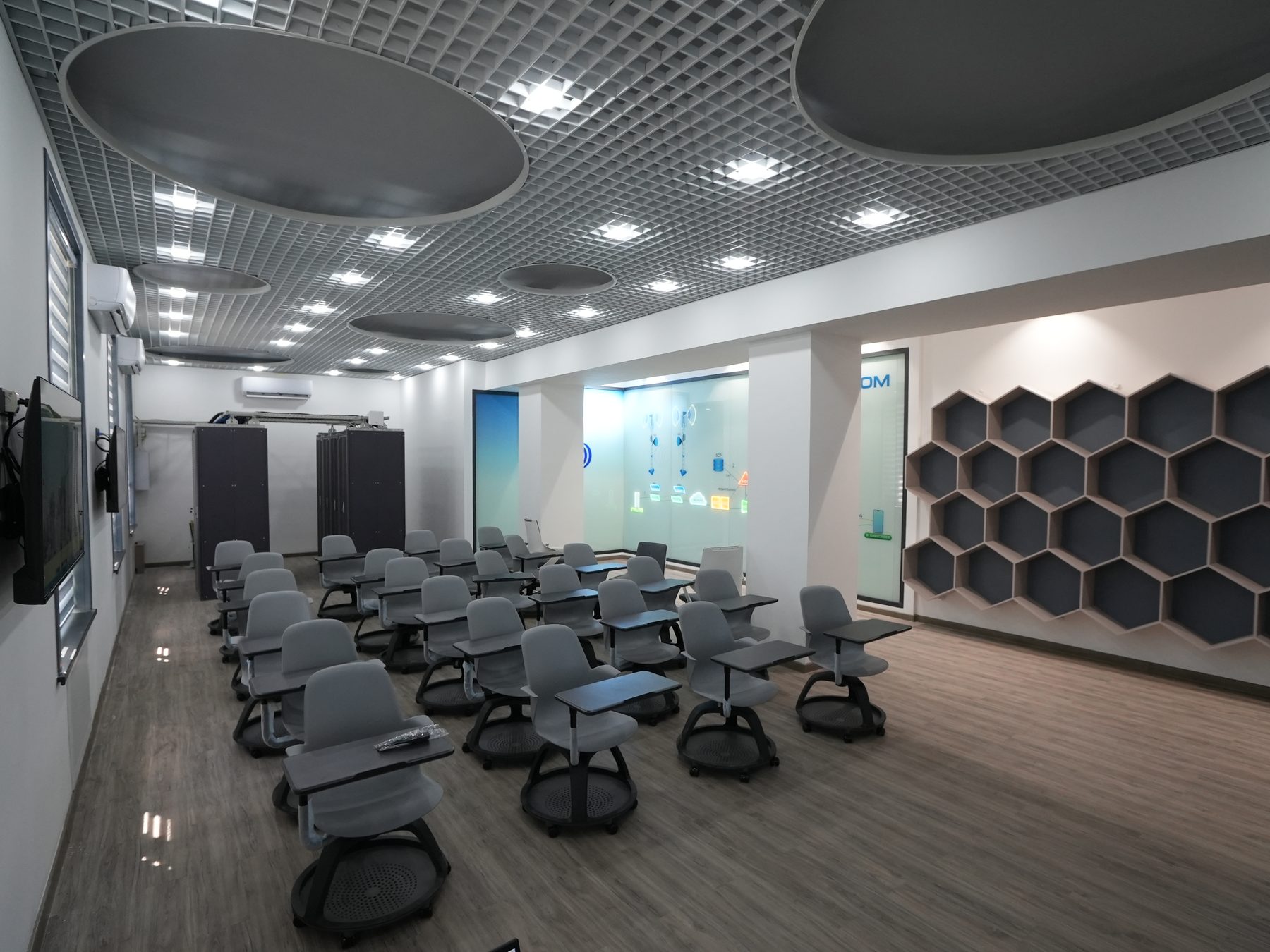 Smart classroom
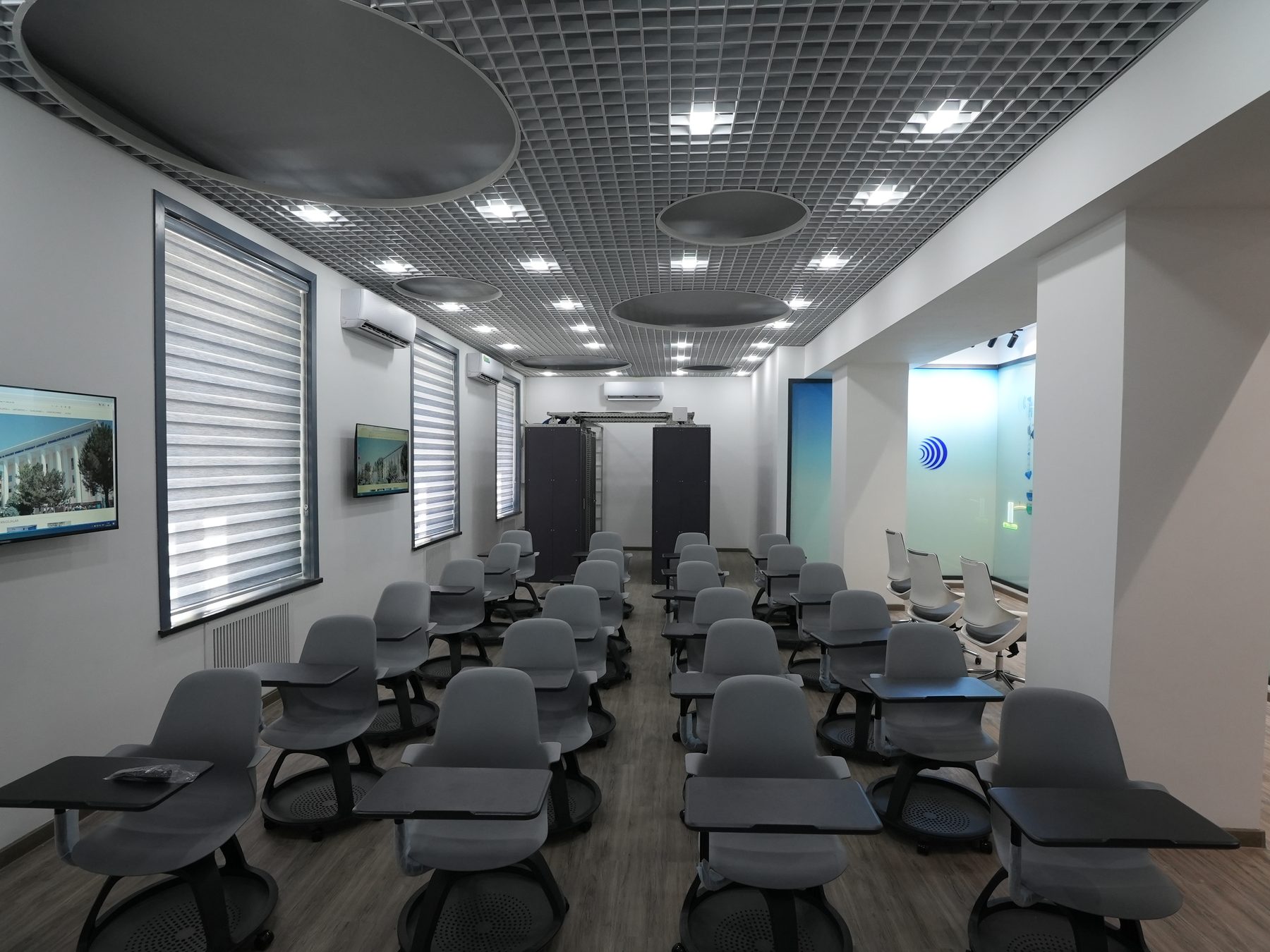 Smart classroom
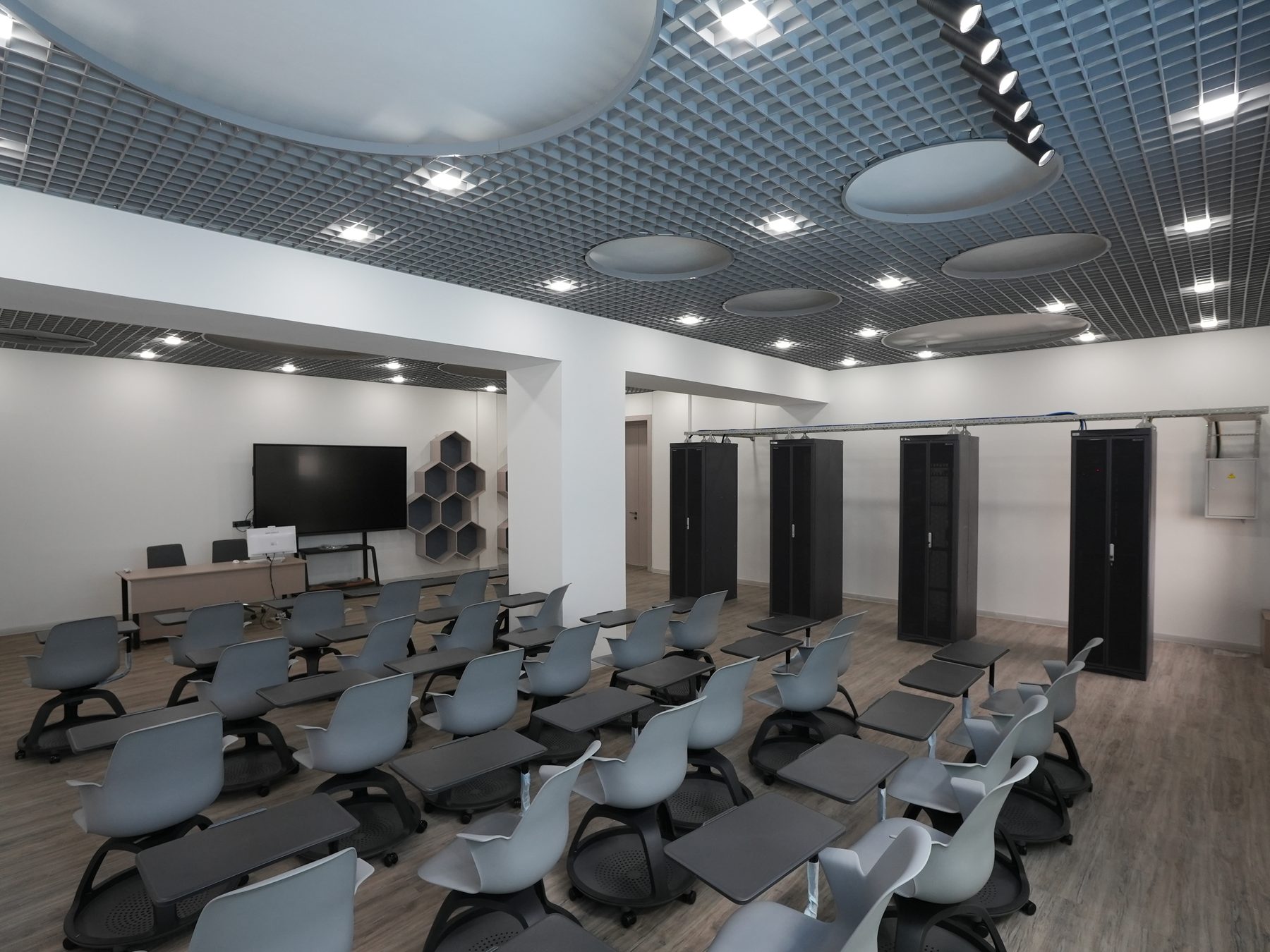 Smart classroom
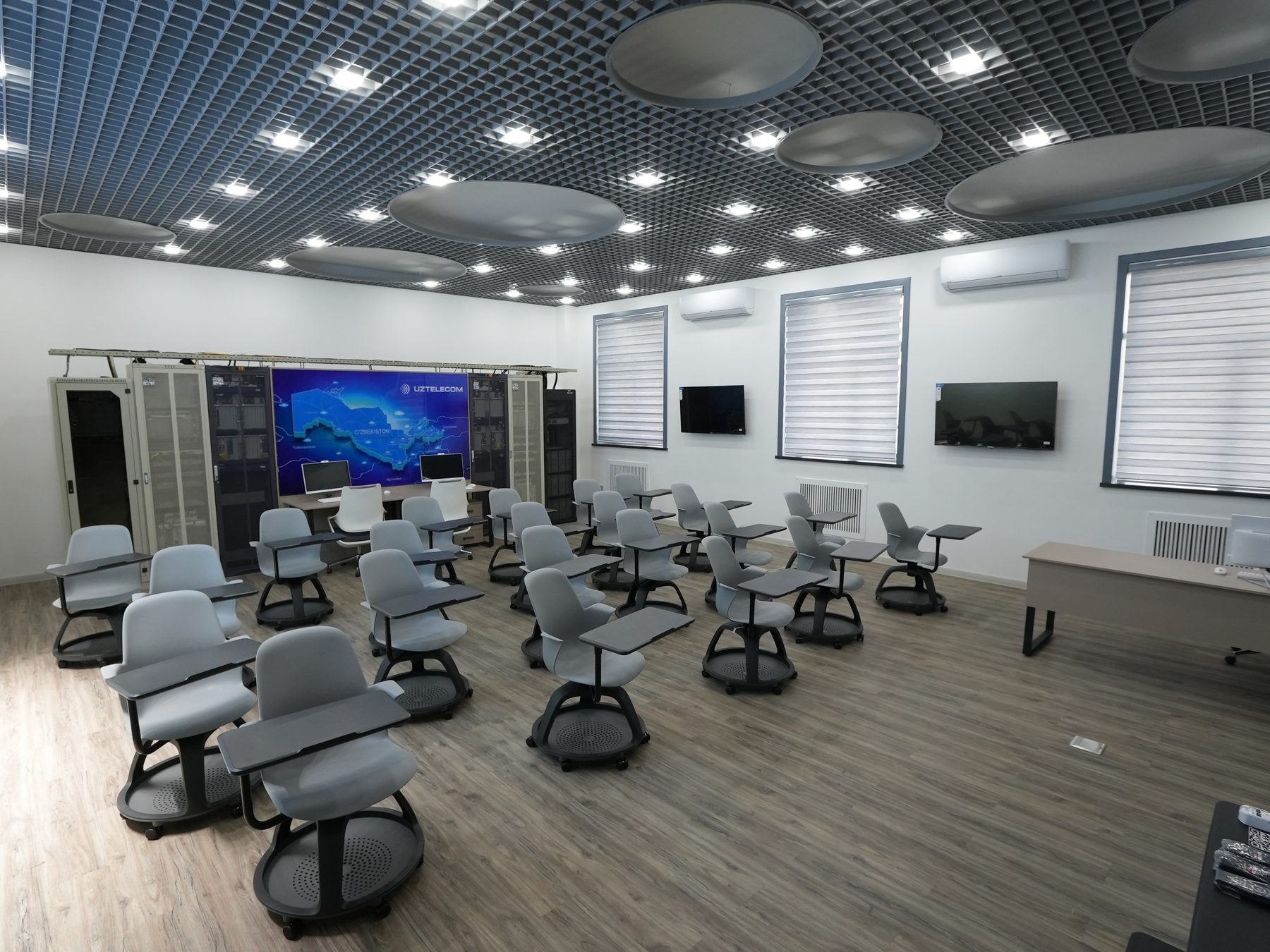 Smart classroom
Landmarks
Recommended hotels






The Microsoft CMT service was used for managing the peer‑reviewing process for this conference. This service was provided free of charge by Microsoft, which covered all associated costs, including Azure cloud services, software development, and technical support.
Tashkent University of Information Technologies
named after Muhammad al‑Khwarizmi (TUIT)
108A, Amir Temur Street, Yunusabad District,
Tashkent 100084, Uzbekistan
General inquiries: optima@tuit.uz